Every item starts from the beginning
People repeat the same search, setup, and first draft before the real judgment begins.
We build AI agents for recurring work such as data entry, matching, research, summaries, follow-up, and request preparation. Each one handles a specific task, uses only the records and tools it needs, and sends uncertain cases to the right person.
General business example loaded.
A familiar internal task can consume a surprising amount of attention when every item begins with searching, copying, checking, summarizing, and deciding who should see it next.
People repeat the same search, setup, and first draft before the real judgment begins.
Routine items compete with the exceptions that genuinely deserve a person’s attention.
Useful checks and handoff decisions live in individual habits instead of the system.
Apply the same instructions and checks each time a familiar task arrives.
The agent receives only the inputs, tools, and actions needed to complete that task.
Move uncertain, sensitive, or unusual work to the person best placed to decide.
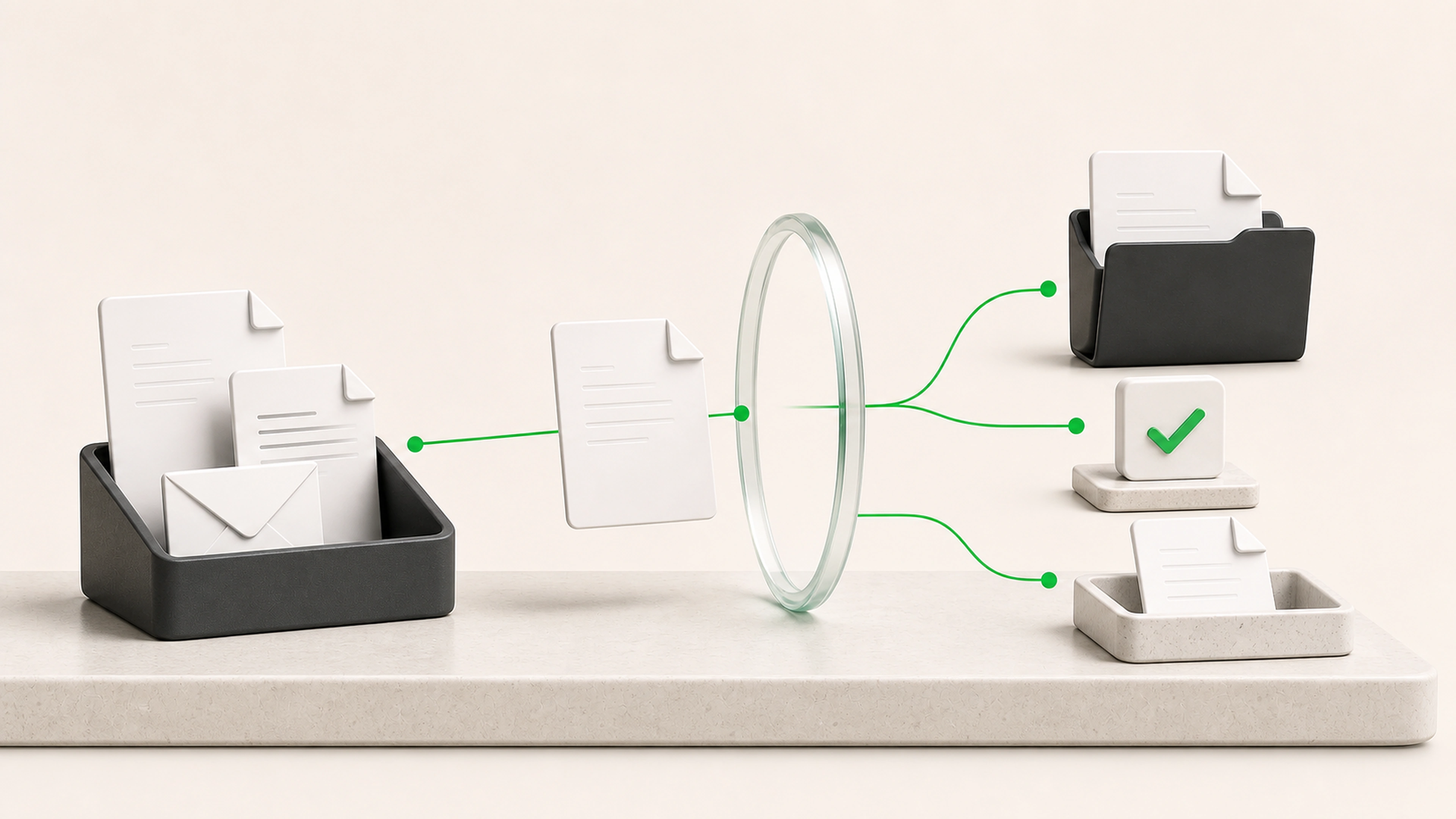
The agent receives one task, gathers the context it needs, completes an agreed first pass, and stops when a person needs to decide.
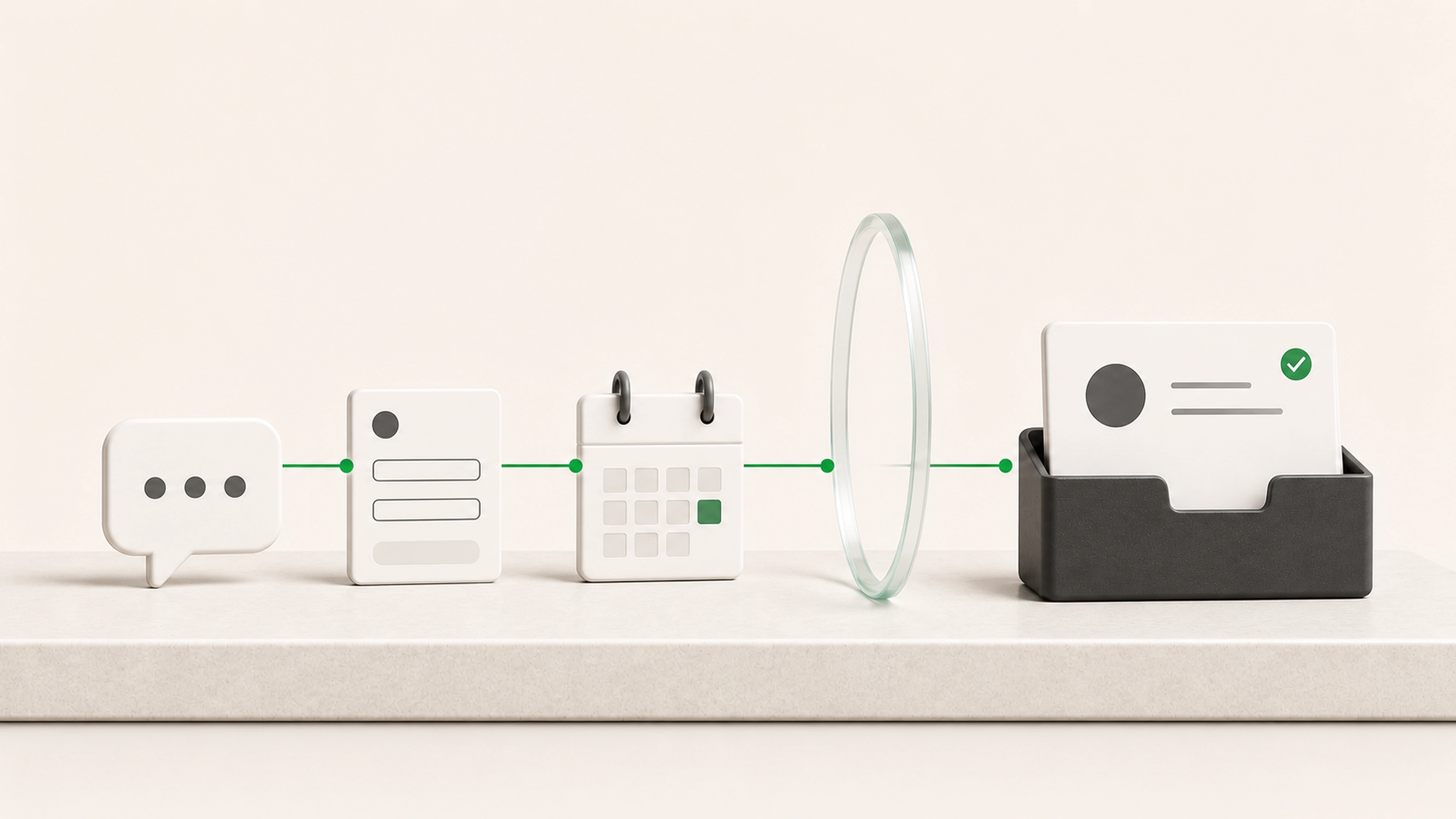
A request arrives from a form, inbox, queue, schedule, or connected system.
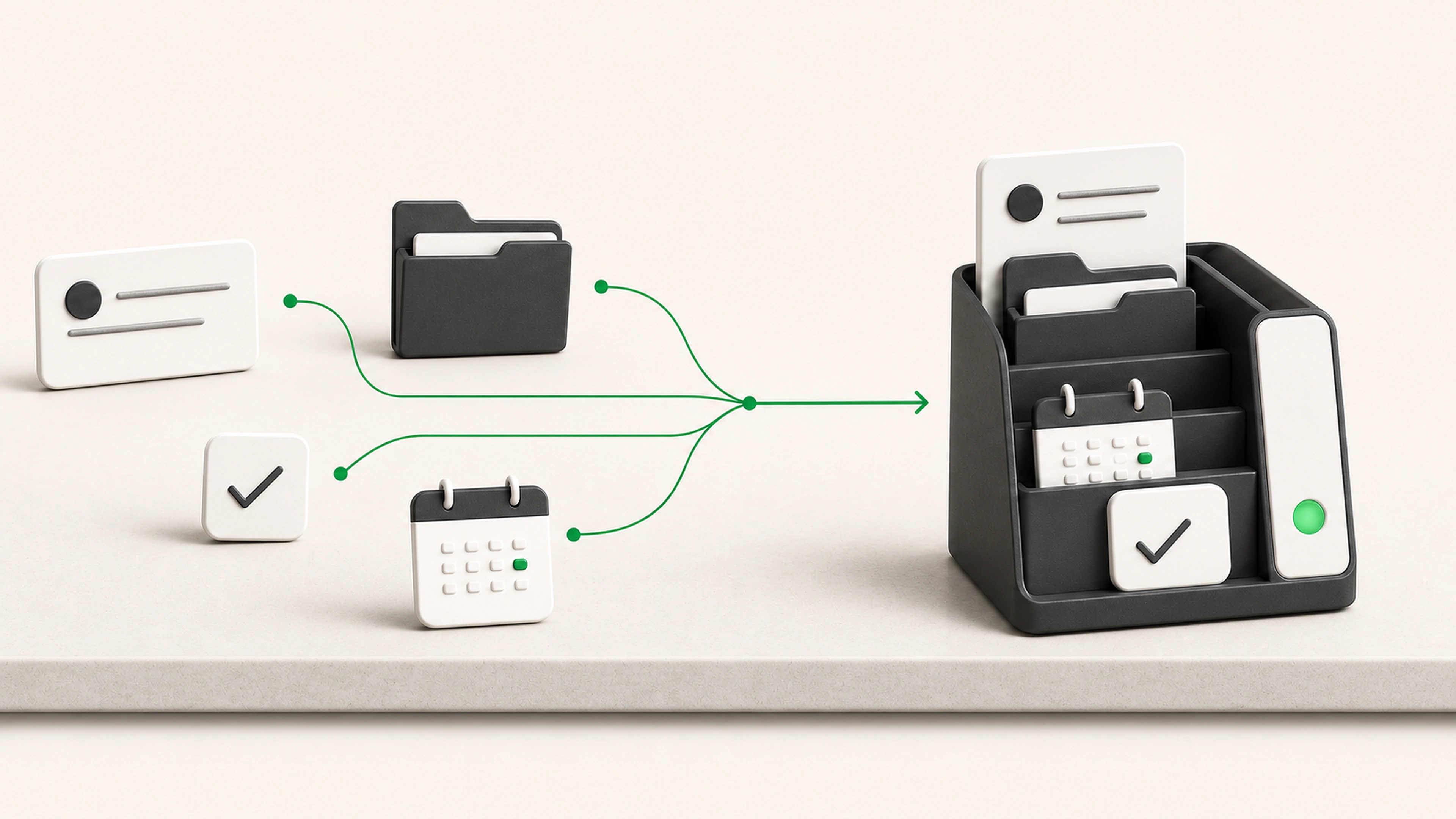
The agent retrieves the records, documents, instructions, and business information it is allowed to use.
If the request does not match a known process, it stops and goes to review.
The agent extracts information, updates a draft, compares records, writes a summary, or completes another agreed first-pass action.
Required fields, formatting, source evidence, business rules, and confidence conditions are checked.
Missing context, conflicting information, sensitive decisions, and unusual cases are presented with evidence.
An approved result is saved, routed, or applied, and its task history remains available.
We limit each agent to one job, narrow permissions, and specific actions. If a request falls outside those rules, it stops and asks for review.
The agent receives only the access required for its job.
Allowed actions and prohibited actions are defined before launch.
Important outputs can require approval.
Unsupported conclusions and missing context trigger review.
Activity history shows what the agent used and prepared.
Prepare structured data from forms, documents, or messages
Match incoming information with existing records
Categorize and route recurring requests
Find and summarize information from approved internal sources
Summarize long notes, threads, or case histories
Draft routine internal or customer follow-up
Check submissions against required information
Prepare quotes, proposals, or work orders for review
Create reminders and next-action tasks
Record sources, decisions, and processing history
The same approved instructions and checks are applied each time a familiar task arrives.
Records, documents, and prior activity are gathered before someone reviews the result.
Straightforward work continues while incomplete, unusual, or sensitive items enter review.
Checks, permissions, and escalation rules are visible and maintainable.
We look for work with recurring inputs, a recognizable good result, and exceptions the team can describe.
We define what the agent can read, prepare, change, and when it must stop.
The agent receives a real task, gathers context, prepares the output, and presents it for review.
We check common work, incomplete inputs, conflicting information, and cases that should never proceed automatically.
Permissions and actions grow carefully as the team sees where the agent is dependable.
Bring one recurring task and a few real examples. We will map the steps, identify where judgment is needed, and show what a safe first version could handle.